
 EN
EN  ES
ES Tourism is no longer sold with brochures or empty phrases. Today, travelers are looking for emotions, moments to remember and brands to feel. In this context, the experiential marketing has become one of the most powerful strategies for hotels, destinations and tourism companies to truly connect with their customers. It's not just about attracting visitors, but about generating bonds that last long after the trip.
What is experiential marketing and why has it conquered tourism?
The experiential marketing -also known as emotional or experiential marketing - focuses on creating experiences that awaken the customer's senses and emotions. In contrast to traditional marketing, which communicates benefits or features, experiential marketing invites you to feel.
In tourism, this makes perfect sense: the product is not a room or a flight, but an experience. From a personalized check-in to a sunset on the hotel rooftop with live music, every interaction can be transformed into a memory.
Tourism brands that apply experiential marketing understand that their differential value is not only in service, but also in how they make the traveler feel. And that translates into loyalty, reputation and direct sales.
Keys to designing memorable experiences in tourism
1. Emotion and authenticity above all
The basis of experiential marketing is emotion. The most effective experiences are those that transmit authenticityLocal gastronomy, traditions, art, nature, living history... The traveler doesn't just want to look; he wants to participate, learn and connect.
2. Personalization: every guest, a story
Experiential marketing in tourism is supported by the customization. Knowing what each type of traveler is looking for - a couple celebrating their anniversary, a family with children or a digital nomad - allows you to create tailored experiences that surprise. A detail in the room, a local recommendation or a personalized playlist can make all the difference.
Technology at the service of emotion
Technology enhances experience, it does not replace it. The augmented reality, the virtual tours or the chatbots with artificial intelligence allow you to enrich the relationship with the customer before, during and after the trip. A clear example is KLM, The company's new digital marketing campaign, which integrates personalized messaging and immersive campaigns that turn every digital interaction into an extension of its hospitality.
4. Storytelling: brands that tell stories are remembered.
Storytelling is at the heart of experiential marketing. A hotel can talk about rooms and services, or it can tell stories about its origin, its environment or the people who make it possible. Brands that tell their purpose achieve humanize your communication and reinforce the emotional connection with the traveler.
Inspiring examples of experiential marketing in tourism
Meliá and the beach in the heart of New York
In the middle of a New York winter, Paradisus Resorts, the all-inclusive luxury brand of Meliá Hotels International, decided to break the ice -literally- with one of the most brilliant experiential marketing campaigns in the industry: “Where You Want To Be”.
In celebration of its rebranding, the brand launched the Be Sunny Mobile, a purple truck with a tropical spirit that traveled the streets of Manhattan between February 12 and 14, 2016, transforming the streets of Manhattan. Times Square and Union Square into real ephemeral beaches. Sand, sun loungers, music, cocktails and a digital photo booth invited passersby to “escape the cold” and share their sunny moment with the hashtag #BeSunnyMobile, with a chance to win a vacation at resorts in Mexico or the Dominican Republic.
The action not only brought the soul of the Caribbean to New York, it also turned a simple promotional campaign into a multi-sensory experience.. Every person who set foot on that urban beach not only got to know the new image of Paradisus, but also the new image of the company. lived, felt it and shared it. A perfect example of how the experiential marketing in tourism can merge branding, The result is a new generation of products, emotion and technology to leave a lasting impression.
Disney: making the customer the protagonist
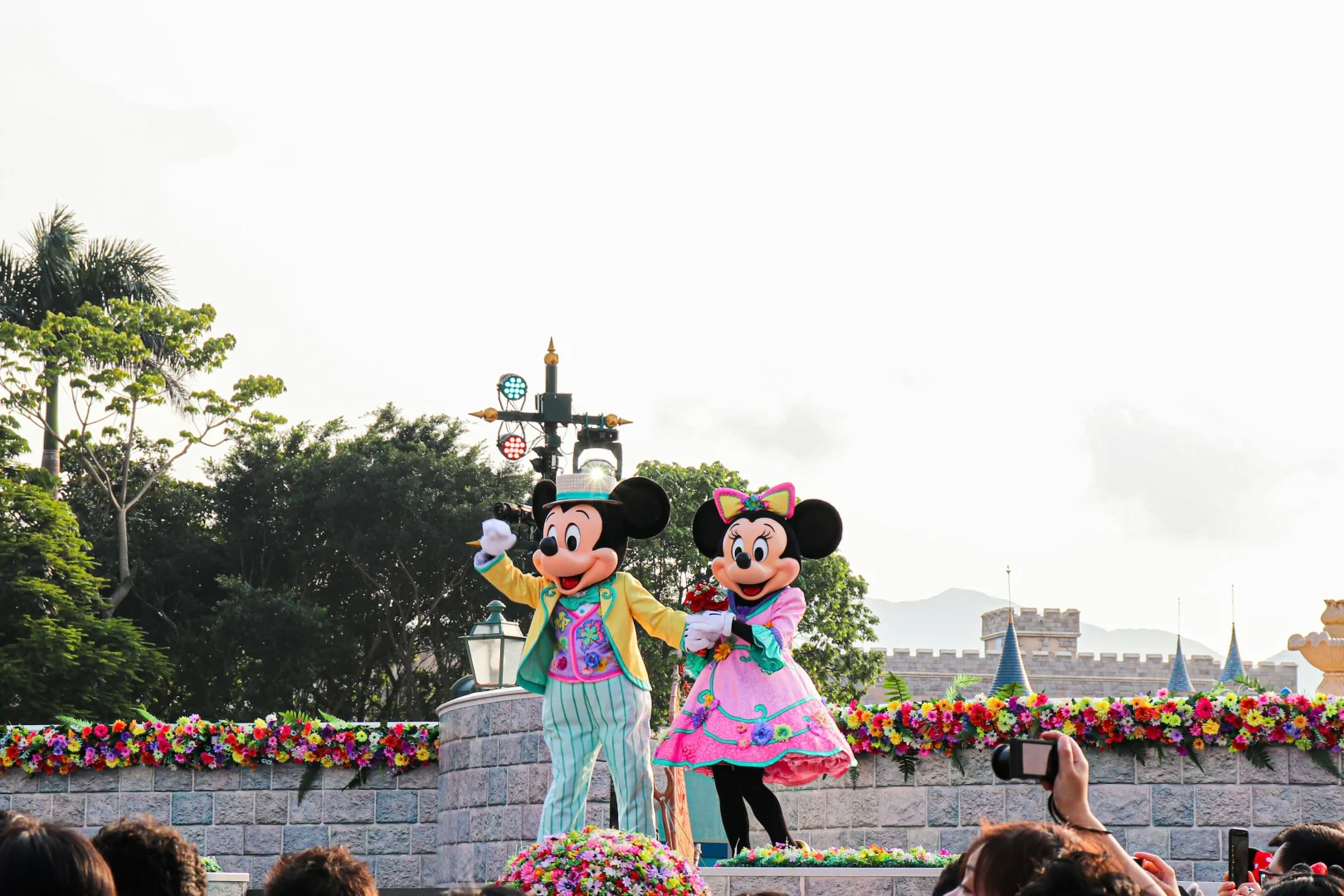
The Disney universe is, in itself, the incarnation of the experiential marketing. Every detail, from the smell of Main Street popcorn to the perfectly timed smile of each team member, is designed to transporting the visitor to a world where the emotion is real.
Disney doesn't sell tickets or attractions; it sells stories. And it does so with an almost handcrafted precision. Its ability to creating immersive narratives has turned each theme park into a stage where visitors are no longer spectators but protagonists. Castles, characters, music and lights work together to build an experience that appeals to nostalgia, illusion and emotional connection.
The result is an unprecedented loyalty model: those who experience the Disney magic not only return, but recommend it, share it and pass it on to new generations. Its success proves that experiential marketing, when it is based on genuine emotions and brand consistency, transcends advertising and becomes culture.
Pullmantur and virtual reality on board
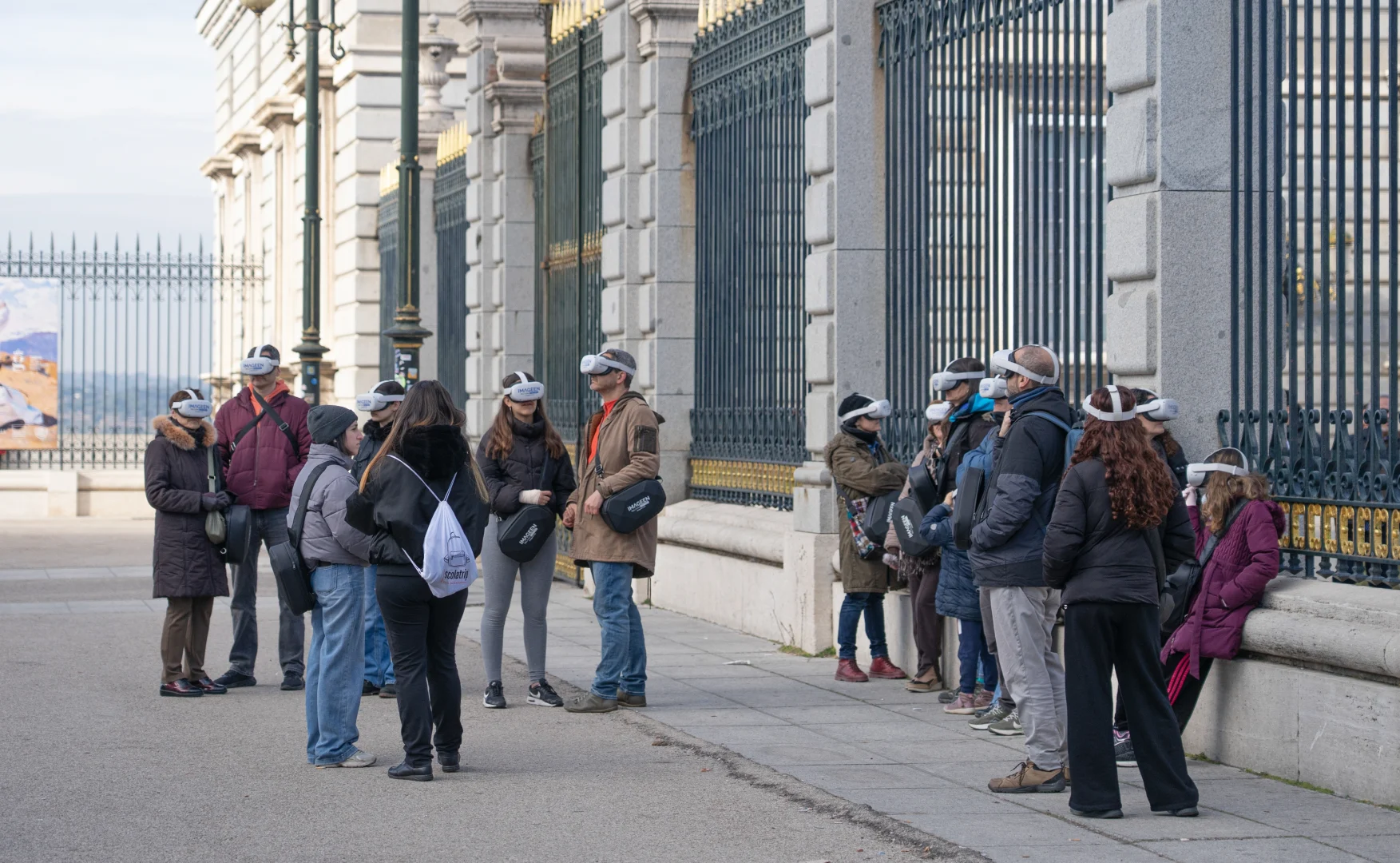
In the tourism sector, selling an experience that has not yet been lived is a challenge. Pullmantur Cruises found the solution with a pioneering initiative that utilized the virtual reality to excite even before setting sail.
In 2019, the company equipped its travel agents with. Oculus goggles, The digital immersion was not simply a technological resource: it was a way to virtually tour the ships, see the cabins, explore the destinations and even take a peek at the shows on board. This digital immersion was not just a technological resource: it was a way of transferring the sensory and emotional experience of the cruise to the sales process.
Thanks to this action, the agents were able to transmit first-hand the sensations that a client would experience on the high seas: the calm of the horizon, the gastronomy, the entertainment... Technology became a vehicle for empathy, capable of transforming brand perception and strengthening the traveler's trust. A clear demonstration of how the experiential marketing in tourism can also be applied to B2B channels to generate sales from emotion.
How to apply experiential marketing to your tourism brand
- Listen and analyzeKnow your audience, their motivations and emotions.
- Design a coherent narrativeYour experience must tell a story aligned with your brand values.
- Care for every detailFrom the smell of the lobby to the music or the way an email is answered.
- Integrates channelsThe experiences start online, are lived offline and continue in networks.
- Measure and optimizeAsk, listen, improve. Traveler feedback is the compass of experiential marketing.
Trends that mark the future of experiential marketing in tourism
- Emotional sustainabilityconscious experiences, connected to the environment and local communities.
- Multisensory travelwhere sound, aroma and texture are as important as sight.
- Emotional artificial intelligencetools that analyze behavior and adapt messages and offers in real time.
- Slow tourismless haste, more connection; the luxury is in living without filters.
Experiences that sell because they excite
The experiential marketing is not a fad, it is the logical evolution of tourism. In a saturated market, the brands that manage to arouse emotions and create memories will be the ones that last. It is not enough to attract bookings; you have to inspire, surprise and create loyalty.
At weglobeyou we help hotels, destinations and tour groups to design and implement experiential strategies that connect people with brands. From creative planning to digital execution, we transform emotion into conversion.
And if you are interested in real tourism marketing, subscribe to the newsletter of weglobeyou. Every week, an email with real ideas about hotels, golf and tourism: strategies that work, mistakes that teach and lessons that inspire.
Only one useful idea per week. No smoke. No spam. Only what helps you improve.